Election cycles are a central feature of democratic governance, shaping the policy landscape and influencing the direction of nations. Understanding how these cycles affect policy shifts worldwide is critical for citizens, analysts, and investors alike seeking clarity beyond the often overwhelming political discourse. This article examines the nuances of election cycles globally and offers guidance on tracking policy changes amidst the noise.
Defining election cycles and their global variation
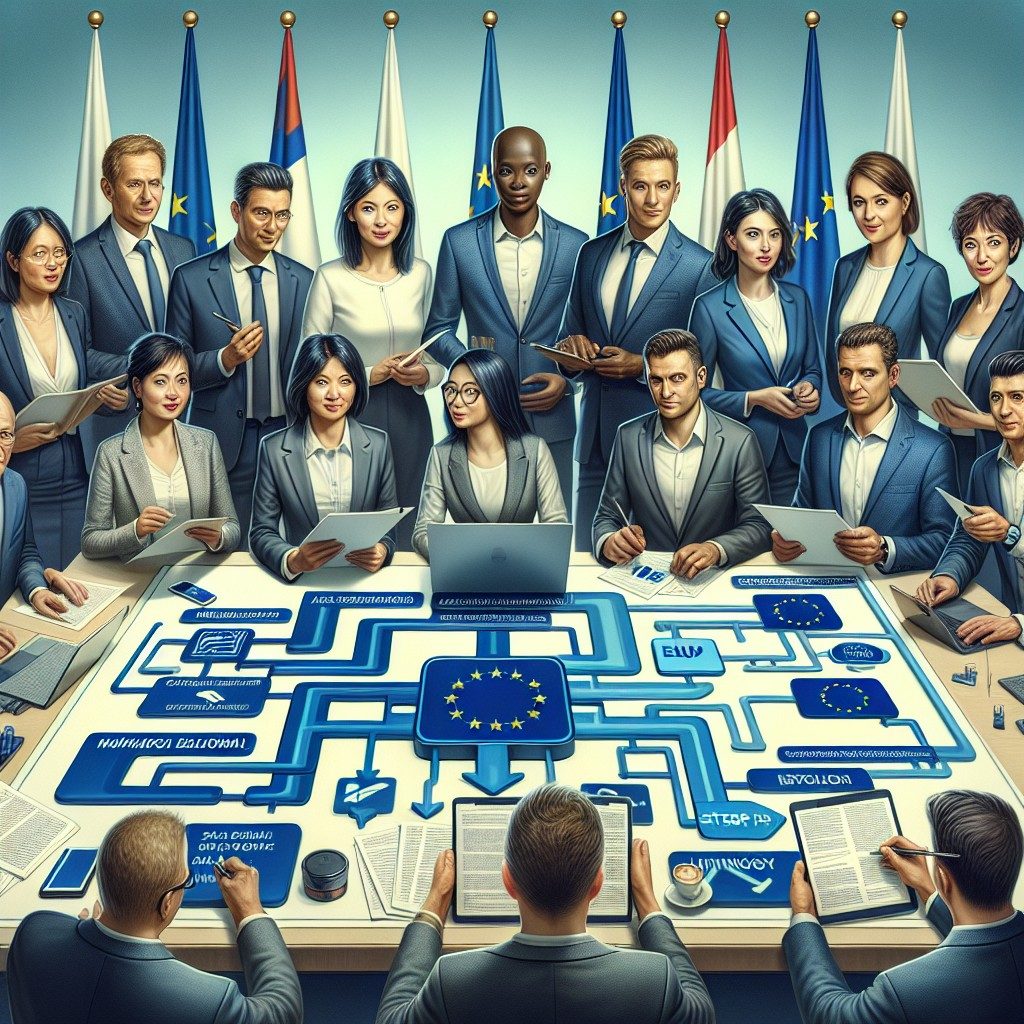
Election cycles refer to the regular intervals at which elections occur to select governing bodies or leaders. These intervals vary notably from country to country, ranging typically from two to six years for primary political offices. The nature of election cycles – whether fixed or flexible – influences how politicians strategize and policymakers plan reforms. For instance, the United States holds presidential elections every four years, while Germany’s Bundestag elections are scheduled every four years but can be called earlier. This cyclical rhythm inevitably affects policy priorities as governments gear up for electoral contests.
The influence of election cycles on policy formulation
Political actors often align policy initiatives with election cycles to maximize electoral support. Approaching an election, incumbents may prioritize popular, immediate policies over long-term structural reforms to appeal to voters. Conversely, post-election periods can provide a window for implementing more complex or unpopular measures. This timing dynamic means that policy shifts can be anticipated by observing the electoral calendar, enabling stakeholders to identify when substantive reforms are likely versus when political messaging predominates.
Challenges in distinguishing substantive policy shifts from electoral rhetoric
The intense media coverage surrounding elections can drown out fact-based policy discussions, replacing them with emotionally charged rhetoric. Voters and observers are frequently confronted with promises that may not translate into actual policy once in office. This noise complicates efforts to track genuine policy shifts. Critical analysis requires separating campaign rhetoric from enacted legislation and regulatory changes, often necessitating monitoring beyond the election period into governance phases.
Tools and strategies for following policy changes across election cycles
Effective tracking of policy shifts involves leveraging reliable sources and analytical frameworks. Engaging with reputable international authorities such as the BBC Election Hub enables access to curated and verified election-related information. Additionally, institutions like the Organisation for Economic Co-operation and Development (OECD) provide data and reports on governance trends correlated with election cycles globally. Combining these resources with local legislative monitoring helps build a clearer picture of policy evolution through successive elections.
The impact of election cycles on global economic and social policies
Election cycles influence not only domestic policies but also international commitments, including trade, climate action, and security. Sudden shifts in government can lead to abrupt changes in foreign policy and economic strategies. For example, election outcomes have recently altered approaches to pandemic management and energy policy in various countries. Understanding the timing and nature of these cycles prepares analysts and businesses to anticipate adjustments in regulatory frameworks and international cooperation.
Conclusion: Navigating policy shifts with an informed perspective
In sum, election cycles are pivotal in shaping the policy environment worldwide. While the electoral process inevitably generates noise and competing narratives, a focused approach that incorporates awareness of election timing and reliance on authoritative sources can help distill genuine policy shifts from transient political rhetoric. Looking ahead, the increasing availability of data and international cooperation tools promises improved transparency and understanding of how election cycles influence governance and policy worldwide.
Frequently Asked Questions about election cycles
What are election cycles and why are they important?
Election cycles are the regular intervals at which elections are held to choose political leaders or legislative bodies. They are important because they structure political timelines and influence when and how policies are implemented.
How do election cycles affect government policy decisions?
Government policies often align with election cycles, with a focus on popular initiatives near elections and more substantive reforms occurring in other periods. This timing can impact the nature and pace of policy changes.
What challenges exist when analyzing policy shifts during election cycles?
One key challenge is separating genuine policy changes from electoral promises and rhetoric, as media and political discourse during elections can be heavily influenced by campaign strategies.
Which sources provide reliable information on election cycles worldwide?
Reputable international organizations and news outlets, such as the BBC Election Hub and the OECD, offer trustworthy data and analysis concerning election cycles and related policy developments.
Can election cycles impact international policies and relations?
Yes, election cycles can lead to significant changes in a country’s international policies, affecting trade agreements, climate commitments, and diplomatic relations depending on the elected government’s priorities.